
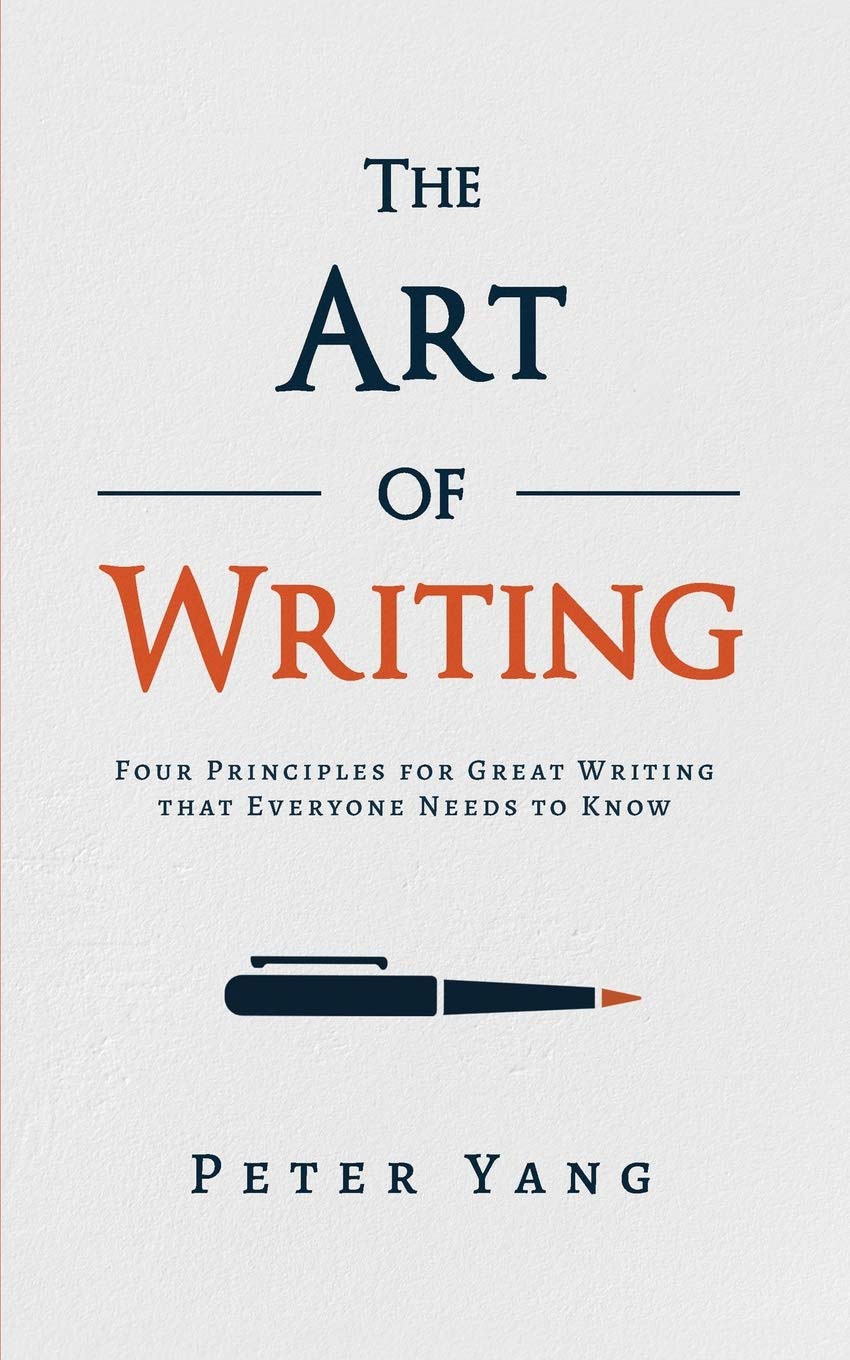
- ISBN: 978-1631610769
- Publisher : Tck Publishing
- Price: INR 99/- ( Kindle copy)
- Genre: Nonfiction, Creative Writing, Writing Guide
Book Blurb
- How to write
- Writing nonfiction
- Writing fiction
- How to be a better writer
- Writing style
- Business writing
- Writing a book
About the Author
You can know more about the author from his website.
Review
The Art of Writing: Four Principles for Great Writing That Everyone Needs to Know by Peter Yang is a practical and insightful guide for anyone looking to improve their writing skills. Yang breaks down the essentials of writing into four core principles, making the process approachable for writers of all levels. While I can summarize the key points from the book, keep in mind that these principles serve as foundational tools that apply across a variety of writing contexts—whether you’re working on essays, stories, articles, or even professional writing.
Here are the four principles that Peter Yang emphasizes in the book:
1. Clarity: Write with clarity, and keep your message simple and direct.
Yang stresses the importance of clarity in writing. A piece of writing is only effective if the reader can easily understand it. This means avoiding overly complex sentences, jargon, or unnecessary embellishments. Good writing is about making the message clear, concise, and accessible. He suggests revisiting your drafts to ensure that your core message isn’t lost in a sea of convoluted language.
-
Key Takeaway: Simplify your ideas. Use straightforward language and sentence structures to make sure your writing is easily understood.
2. Brevity: Less is more. Be concise and get to the point.
In a world full of distractions, people’s attention spans are shorter than ever. Yang encourages writers to remove all unnecessary words and details that don’t add to the core message. This doesn’t mean sacrificing depth or nuance, but rather trimming away superfluous content to keep the writing tight and focused.
-
Key Takeaway: Trim excess. Eliminate anything that doesn’t directly support your main point. Readers appreciate brevity.
3. Engagement: Create interest and connect with your reader.
Great writing isn’t just about conveying information—it’s about keeping the reader engaged. Yang talks about the importance of storytelling and vivid imagery, even in non-fiction writing. The goal is to draw the reader in with compelling narratives, relatable examples, and language that speaks to their emotions or interests. Writing should create an emotional or intellectual connection.
-
Key Takeaway: Craft your writing to captivate. Use anecdotes, imagery, and relatable examples to keep readers interested and emotionally engaged.
4. Structure: Organize your writing for flow and ease of understanding.
Structure is the skeleton of any piece of writing. Yang emphasizes the importance of having a clear structure that guides the reader through the content. This could mean using logical paragraph transitions, having an introduction that sets the tone, and concluding with a strong ending. Well-structured writing is easier to follow and more persuasive.
-
Key Takeaway: Organize your ideas. Use paragraphs, subheadings, and transitions to guide the reader logically from point to point.
Additional Tips from the Book:
-
Revise and Edit: Yang also discusses the importance of revising and editing your work. No first draft is perfect, and often the magic happens in the rewriting process. The key is to look at your writing with a critical eye and refine it until it is as clear, concise, and compelling as possible.
-
Know Your Audience: He advises writers to tailor their writing to the specific audience they are addressing, understanding the reader’s expectations, interests, and level of knowledge.
-
Find Your Voice: One of the most important aspects of writing, according to Yang, is developing your own unique voice. Authenticity in writing resonates with readers, and being true to your voice is essential for great writing.
Yang’s book is an excellent resource for both beginners and experienced writers who want to sharpen their writing skills. His principles are clear, actionable, and designed to help writers at any stage improve their craft.
Are you thinking about applying these principles to a specific type of writing, or is there a particular part of the book that caught your interest?